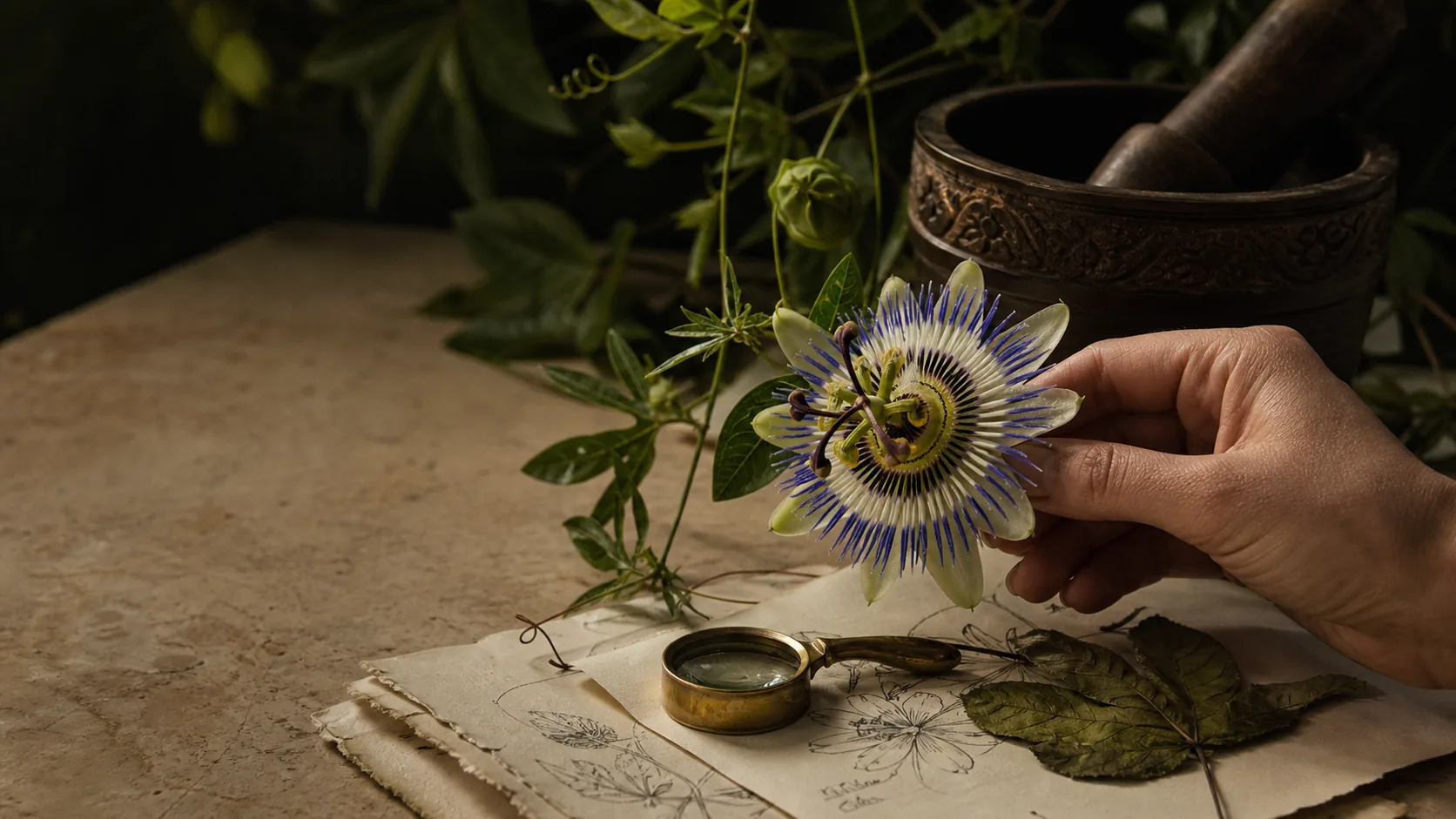

These notes share habitat, traditional context, and common preparation forms. They are educational and do not replace individual medical guidance.
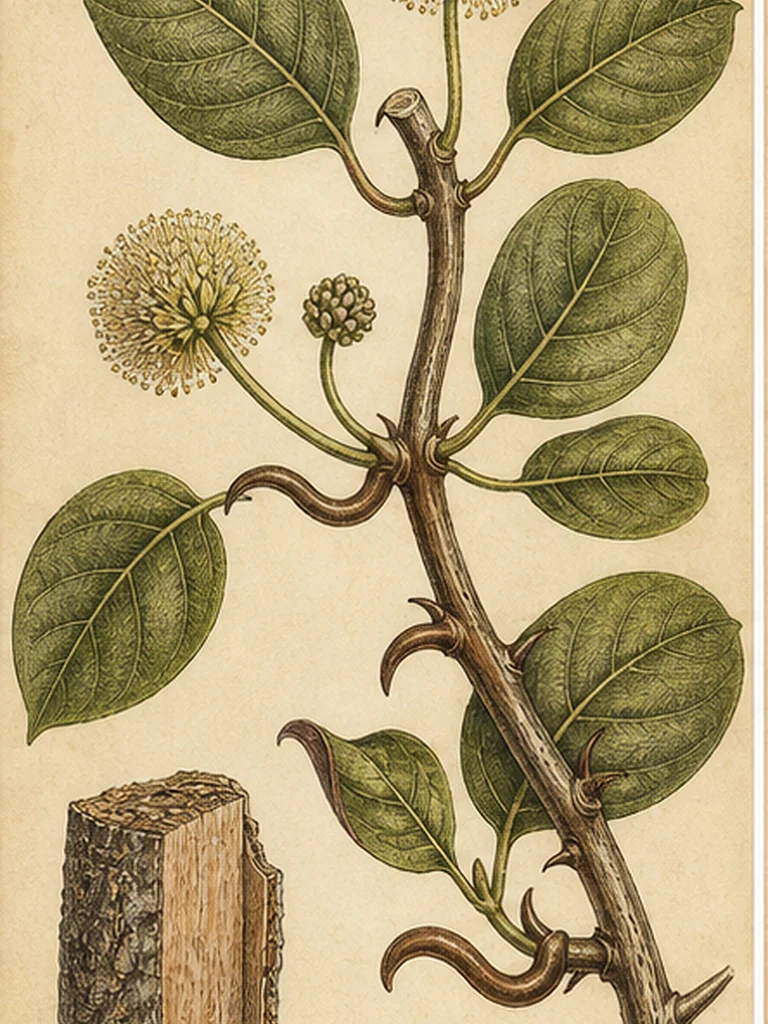
Cat's Claw
Uncaria tomentosaAmazonian climbing vine traditionally prepared from the inner bark.
Field note
Form: inner bark. Preparation: a slow decoction rather than a brief steep.
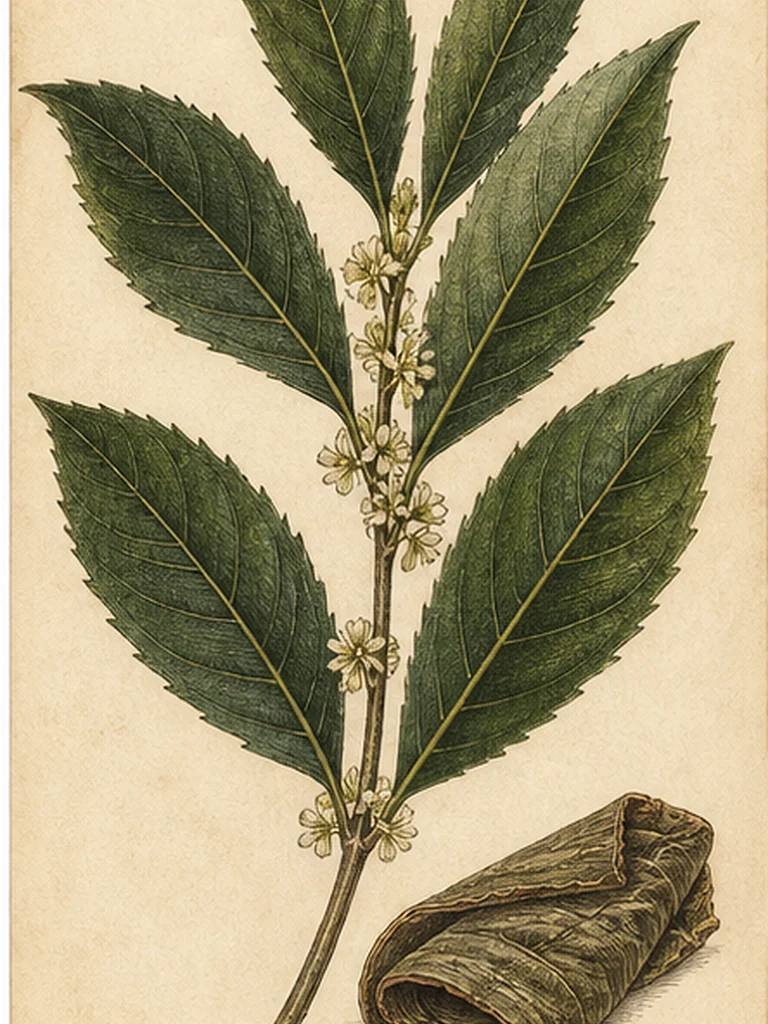
Guayusa
Ilex guayusaAmazonian leaf valued as a bright morning infusion.
Field note
Form: whole leaf. Preparation: a covered infusion, served warm or cooled.
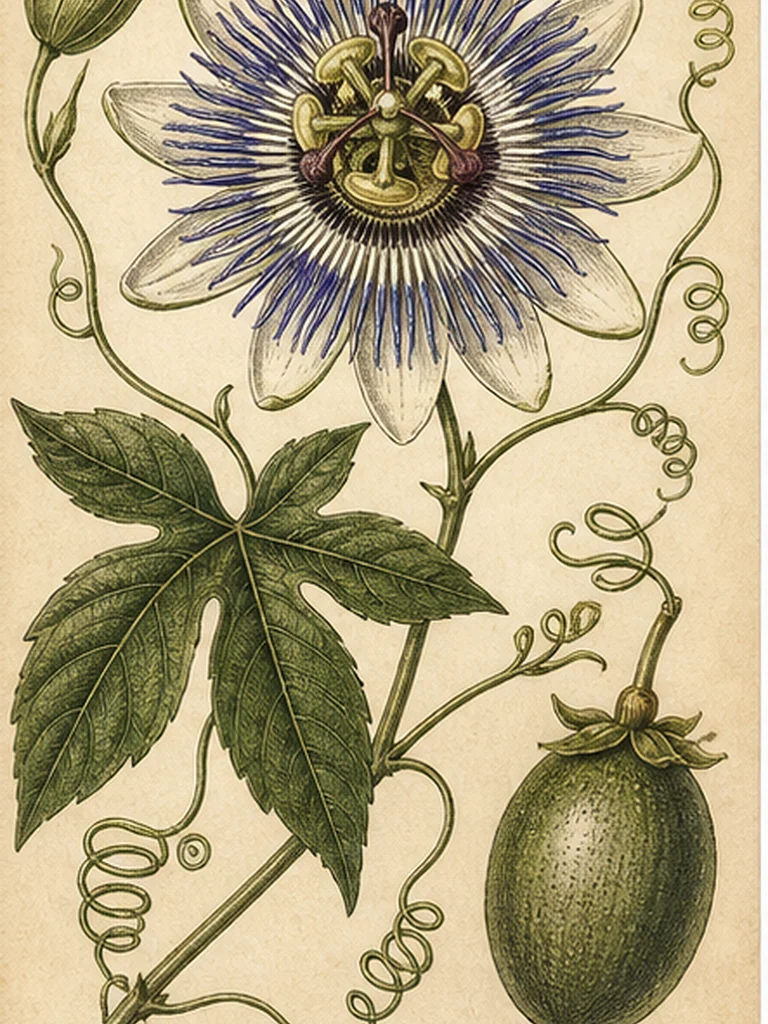
Passionflower
Passiflora incarnataFlowering vine used in calming evening preparations.
Field note
Form: flower and vine. Preparation: a gentle covered evening infusion.
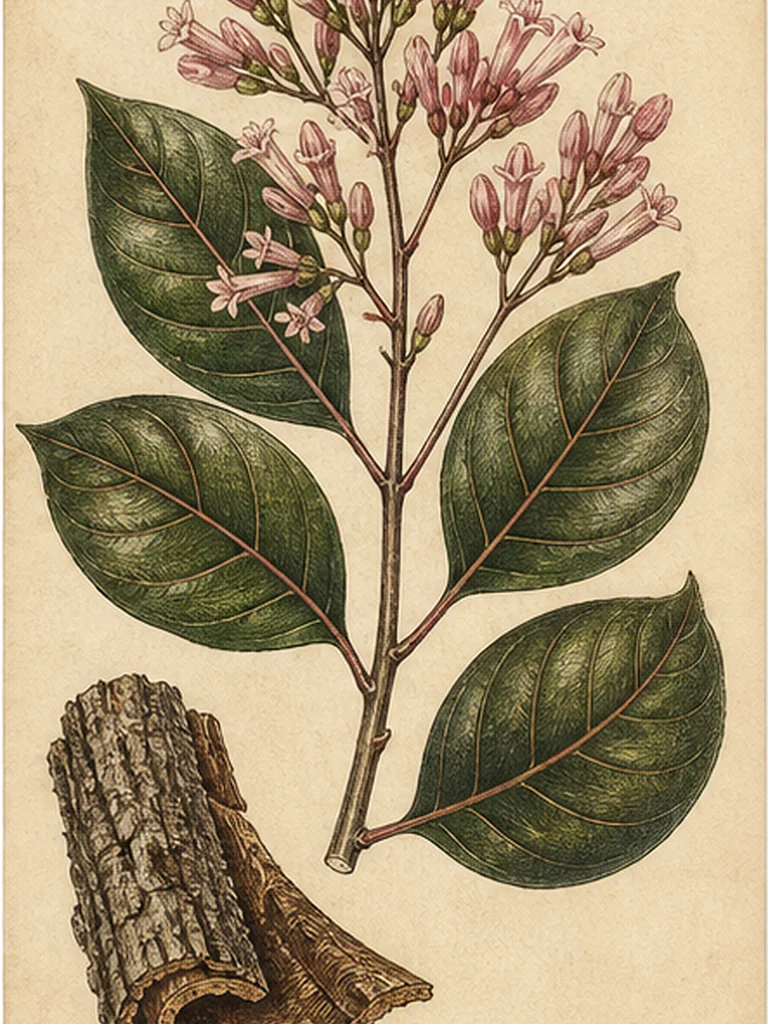
Cinchona
Cinchona officinalisAndean tree with a long and complex history of traditional use.
Field note
Form: tree bark. Historical context and exact pouch directions matter.
From forest to pouch
Identified and harvested by the families who have known these plants for generations.
Slow-dried and kept whole. Never powdered, never bulked with fillers.
Packed close to the harvest so every pouch arrives with its character intact.
Preparation matters.
Leaves, flowers, roots, and bark do not always use the same method. Begin with our guide, then follow the exact pouch directions.