What is Panchakarma, explained simply
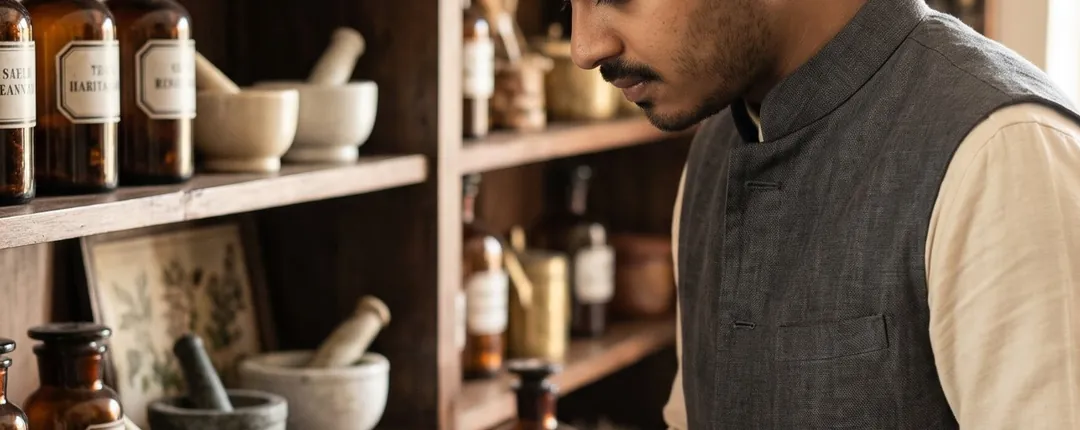
Panchakarma literally means five actions. It is the classical Ayurvedic system of procedures used to restore balance in the body, and it is very different from the spa packages that often borrow its name. Here is what it actually involves, in plain words.
Five procedures, chosen for one person
The five classical procedures are Vamana (therapeutic emesis), Virechana (therapeutic purgation), Basti (medicated enema), Nasya (nasal therapy) and Raktamokshana (bloodletting). Nobody receives all five. The doctor chooses what suits your body, your condition and the season, and sometimes the right answer is none of them.
Around these sit supportive therapies such as Abhyanga, Swedana and Shirodhara, which prepare the body or support recovery.
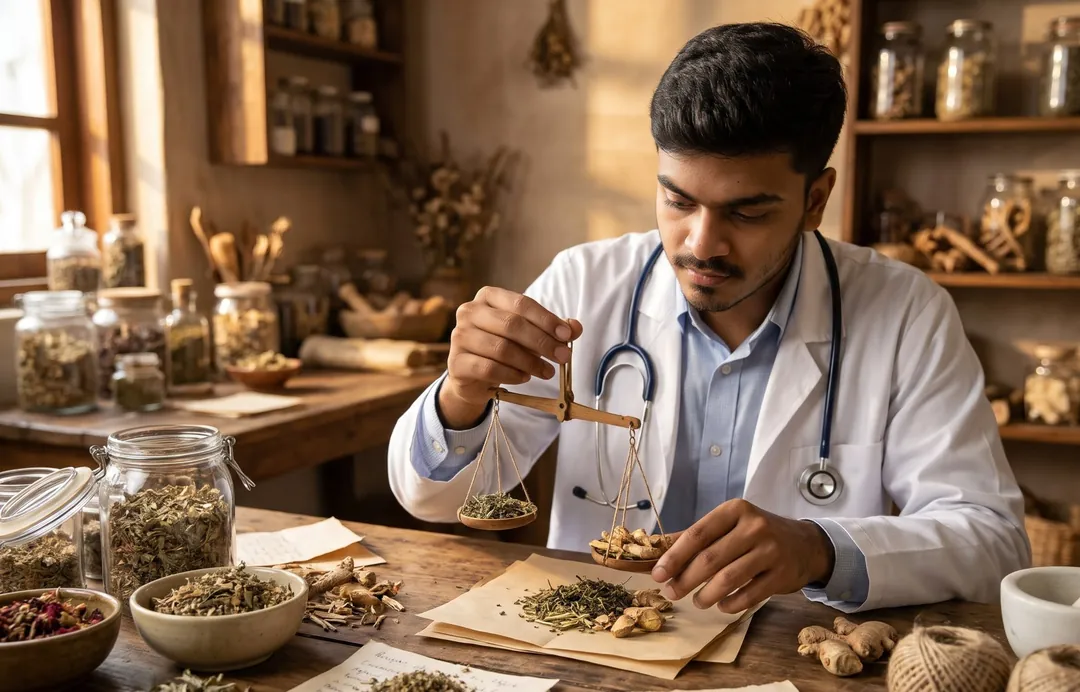
1. Purvakarma: preparation
Internal and external oleation with medicated ghee or oil, followed by steam. This prepares the body for the main procedure and usually takes several days.
2. Pradhanakarma: the main therapy
- Done under the doctor's supervision
- Chosen after assessment, never from a menu
- Timed to your strength and response
- Explained to you before it begins
3. Paschatkarma: recovery
A graded diet and routine (samsarjana krama) let digestion and energy return gently. Skipping this phase undoes much of the work.
Who it is not for
Panchakarma is usually avoided or postponed during pregnancy, acute fever or infection, severe weakness, and in some heart conditions. Serious conditions stay with your regular doctor. Panchakarma is planned only after a consultation, which is the right first step for anyone curious about it.